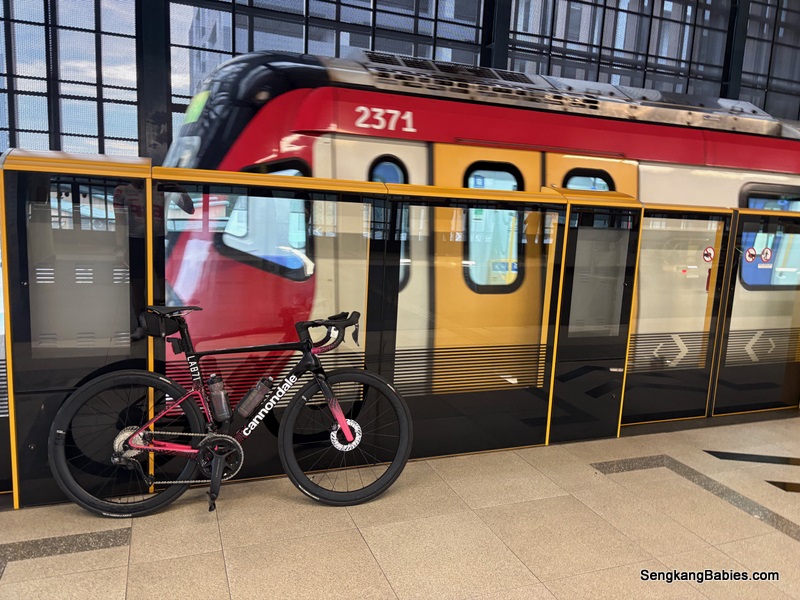
Cycling Taiwan 620km 四極燈塔

Cycling Taiwan 620km 四極燈塔 was the highlight for me in 2025!

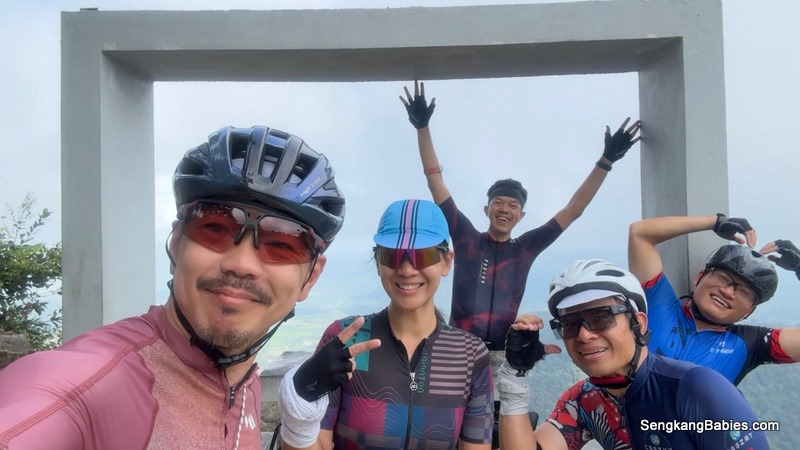
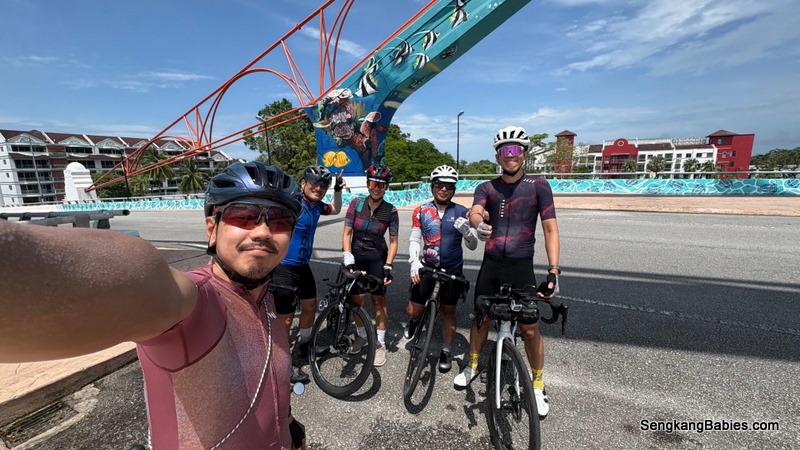
Together with 9 other friends, we embark on this epic ride.

YouTube: We are still not sure how we manage to crawl through 620 km from North to South! (Ok, 600km, there is a 20km discount)

Imagine, cycling 620 km from Fulong to Kenting, this will bring us near to Taiwan’s four lighthouses.

These lighthouses are situated at the four corners of Taiwan.
Ironically, cyclists will not be able to spot the lighthouses.

North-FuGuiJiao 富貴角燈塔

East – SanDiaoJiao 三貂角燈塔

West – GuoSheng 國聖燈塔

South  – Eluanbi 鵝鑾鼻燈塔

We took one year to train for this event. It is also a milestone for many Taiwanese. Salute to those who diy and complete without support car 保母車!

For those who are keen to challenge themselves.

There are two main bicycle organisations in Taiwan, TBA and TWB. We had joined TBA’s Taiwan 620km 四極燈塔  event.

You would have three different category flag offs on the same day. All are epic, and are designed to cater to different groups of cyclists.

The only differences are the start and end points.

Example
四極燈塔 (620km) start and ends at 福隆 Fulong and 墾丁 Kenting respectively.

雙塔 (520km) start and ends at 富貴角 (base) and Kenting respectively.

北高 360km) start and ends at 八里 Bali and 左營 Zuoying (Kaohsiung) respectively.

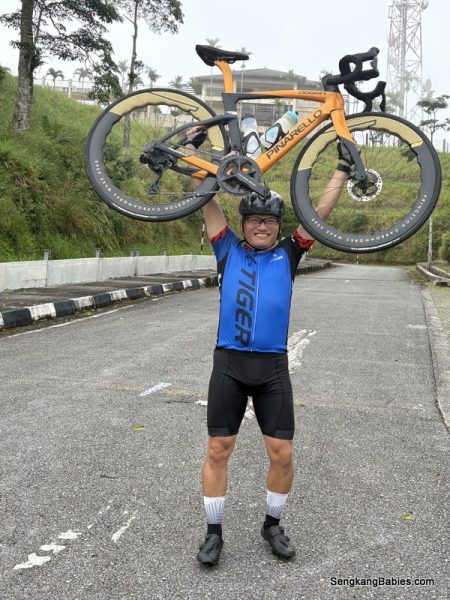
My training buddy, Hulk!

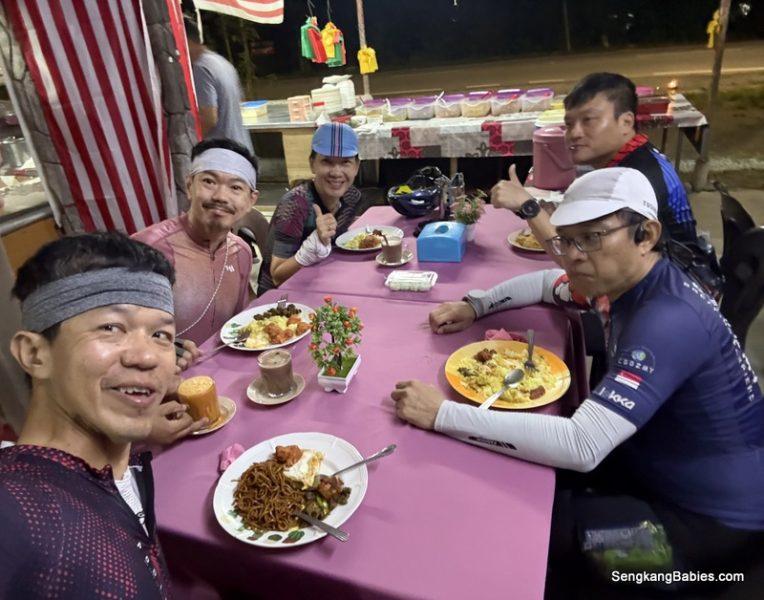
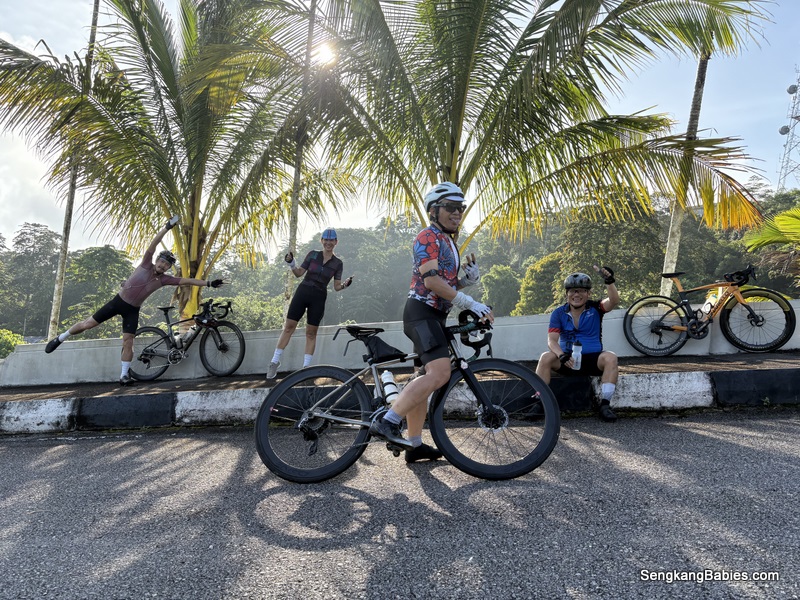
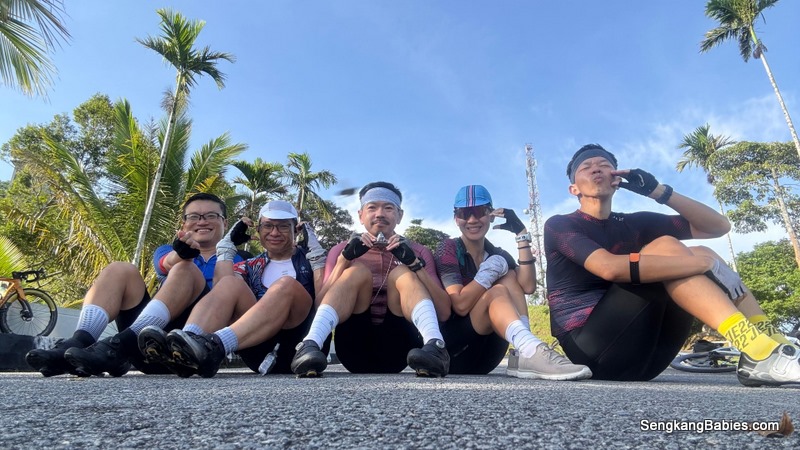
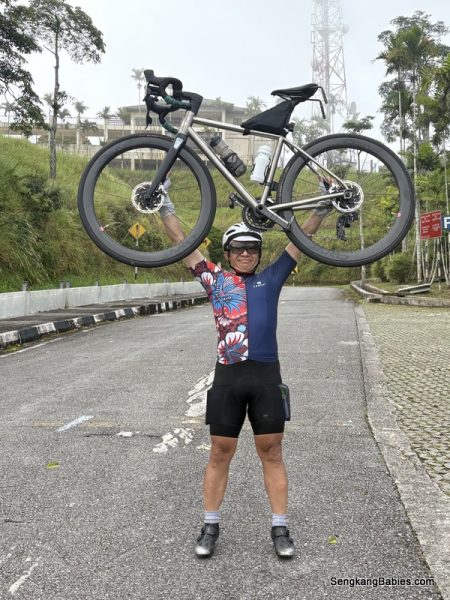
Seven of us completed the ride. We motivated each other along the way.

What works for me? How was our strategy? What are the tips and learning points?

1)Practice and consistency were key, when we build up our base.
Some of us signed up with Audax series to train our endurance in Malaysia.
I did 200,300 and 400km, and these trainings (heat and endurance) were helpful for my Taiwan 620km 四極燈塔.

2)The multiple Audax rides not only train our body and mind. It validates our equipment and gears too. Your lights, bike comp, camera and phones will need a recharge strategy.

3)7-11 and Family Marts along the route will be packed with cyclists. Toilet queues can take up to 20,30 minutes! Convenience stores are also where we refuel, and food and drinks might run out!

Seasoned cyclists will Uber their meals at some meeting points.

4)Whenever situation offers, a power naps do wonders
Imagine, 620km ride means you go through Night-Day-Night, to complete under 35 hours.

5)This tip is illegal, and you can be summon by traffic police!
You will go through at least 100 Traffic lights (not exaggerating).

We did not stop at all the red lights, we follow the locals :p
Assuming each red light takes 1 minute to turn green, for x50 red lights,  it will mean 50 to 60 minutes delay!

6)Microsleep is REAL! I doze off on a few spells, and had a minor fall near the end point. When your body needs to rest, stop and take a quick rest.

Seasoned cyclists would even book short term hotel rooms to nap for 2 to 3 hours.

7)Do not neglect nutrition and hydration, or you will definitely bonk!
Keep on sipping on water, especially when you hit the warm provinces like Taichung and Chiayi.

Eat some REAL food too. Consuming too much gels will upset your stomach.

8)Secure your equipments. The speed bump strips are super bumpy.
My headlight mount broke and there goes my $70 headlight. (I had a spare light)

That is about it from my newbie Cycling Taiwan 620km 四極燈塔 experience. Do share your tips with me too.

Will I do it again? UNLIKELY.
But I can confirm that the friendship and bond we share over 620km, will stay with me a LONG time!

Tips for packing your bike overseas

I would be sharing some tips for packing your bike overseas.
Packing your bike overseas  is an adventure in itself.

This was the first time I used a bike box to bring my road bike to Taiwan.

However, my first overseas bike trip was with my foldie “Crius Master” and cardboard. Read about my 7D6N Seoul to Busan trip here.

Packing your bike overseas, flight to Taiwan

I will try to list some of my Packing considerations and feedback in this blog post. My fellow Taiwan kakis all agreed, you will definitely enjoy cycling overseas with your own bikes (rather than rental).

Please pop by our Taiwan Round Island videos at the end of this blog post too.

1)Bike boxing overseas options (for own bikes)

Besides purpose built bike boxes, you can have cardboards. For important rides or events, I might suggest a bike box.

Our bike box is at the mercy of the airport handlers! Whether you rent or use own bike box, rough handling can damage your bike box and contents. The last thing we need is to arrive at our destination with a damaged bike or wheel. OUCH!

However, a new bike box can cost anything from $500 to $1500. This is not cheap, and we need to travel more to capitalise the investment.

Fyi, bike box rental might be $10 to $20 per day, this can be $100 + for a one week cycling holiday.

Another topic to ponder, ensure you have space to keep your bike box (bigger footprint)

Some frequent travelers have used cardboards to protect their bikes (maybe aluminum or titanium). Card boards are not as rugged as purpose built bike boxes.

If you are considering cardboards, do take note overseas bike shops might not have spare boxes. It can be stressful to hunt for bike shops. Besides, you need to ensure the box can fit inside your taxi. (A sedan would not be enough, you need a six seater cab).

In worst case scenario, roll your bicycles to the airport and engage the luggage-wrapping vendor to build a cardboard box.

Image credit Google


2)Packing your bikes (and assembling)

Bike boxes are built differently. Regardless of soft, hybrid or hard casing. Careless handling can still damage the box and content.

If you are looking for a bike box, I thought these features are important :

– No need to remove handlebar
(Fixing back is the challenge. Getting the right angle, you might need a torque wrench)

Evoc: No need tilt or remove handlebar

– No need to remove the seat pole. I hate to remove my seat pole as there is a di2 attached. It is very challenging to plug back your di2 cables.

– Many first timers will fumble with removing the pedals. Either too tight, or turn wrong side :p

– Keep practicing boxing and unboxing. This ensures you know the sequence and tools. Get familiar with allen key (wrench) size 6 and 8 for wheel axle and pedals respectively.

Side note. Above picture is my bike resting on Evoc’s bike rack.

After wheels are removed, plug in the spacers (photo below). This will ensure your disc brakes are not squeezed accidently. Otherwise, it can be challenging to realign your brake pads.

Additional tips:

If you are engaging a bicycle tour vendor overseas., I would recommend them to standby bicycle pump, tyre (maybe 25 or 28) and torque wrench. And maybe some grease.
I would also recommend airtag or android tile to gps track your luggage.

There is a grey area for bikes with Shimano di2. To unplug or not?

According to FAA (aviation authority), any battery above 100wh should not be check in. But di2 battery is only 3.7wh.

Over zealous airport handlers might assume your di2 is an e-bike, and thus “batteries” must be dismantled.

It is not easy to remove and plug back the Di2 battery cables. You need a special Shimano tool. If the cable breaks, there goes your holiday plans.

3) At the airport

Your bike box will be considered as odd shape. You would need to pick it up at the “odd shape” conveyor section.

But the more crucial thing is to ENSURE your bike box does not exceed the luggage allowance. (We took SIA economy, ie 25kg.)

An empty bike box can easily weigh 10 to 12kg !

As an example, Singapore Airline (Economy) :
– luggage allowance 25kg and hand carry bag 5.5kg

We should pack and weigh our individual bags, so that we do not accidentally exceed the luggage allowance (female folks will have more things to pack :p  )

As per SOP. Ensure there is no power bank in bike box. I would hand carry accessories which have batteries in them.

This includes :
– lights front and rear
– rear camera or radar
– bike computer
– electric pump
-power meter pedals
-shifter batteries are ok

3a) Documenting and weighing our bags

Documentation helps me to remember which items go where, and the sequence. It is useful when I am packing for the return trip.

Examples (regardless of check in or hand carry)
Bag 1 -Day clothes. Maybe tshirt and shorts (1.5 kg)
Bag 2  – Glove, mask, jersey and bibs, shoe (2kg)
Bike box – 12kg
Road bike – 8kg (Thus bike box and bike would be 20kg easily!)
Bag 3 – Bike accessories and parts

Examples
-pedals weigh (0.34kg)
-spare allen keys (0.2kg)
-My tyre weigh 200gm lighter after air is released!

Knowing your bag allowances, can determine how much souvenirs to cart home.

Buying excess luggage allowance is expensive. 5kg might cost $70++!

Most importantly, documentation ensures I do not forget my stuff!  I have heard horror stories of folks forgetting to bring their helmet or wheels overseas!

4) Where do we store our bike box overseas?

One of the limitations of a bike box, is you have to return to the first hotel to pick up the box.

We normally ask the “first or last” hotel to store the bike boxes until our trip ends. We can also engage a forwarder to ship our bike box to the end point.

For comparison’s sake, if you fly with a cardboard. You can cycle anywhere and just build a new cardboard box at your end point.

Do measure your bike box, to ensure it can fit inside your taxi

Bike assembly sequence at destination:

-After landing in Taoyuan airport (Taiwan)
-Collect our bike boxes
-Truck our boxes to hotel
-Assemble bike, keep bike boxes in hotel

This is the opportunity to ensure your bike is in order.

I hope the above tips for packing your bike overseas would be helpful. I had benefitted from friends’ advice before I flew overseas with my own bikes.

I am still pretty new to overseas bike rides (except Malaysia), keen to learn and explore more.

Do pop by our Youtube for our 9 days Taiwan Round island adventure.

Part 1/2, from Taipei to Kenting)

Part 2/2 from Pingtung to Taipei